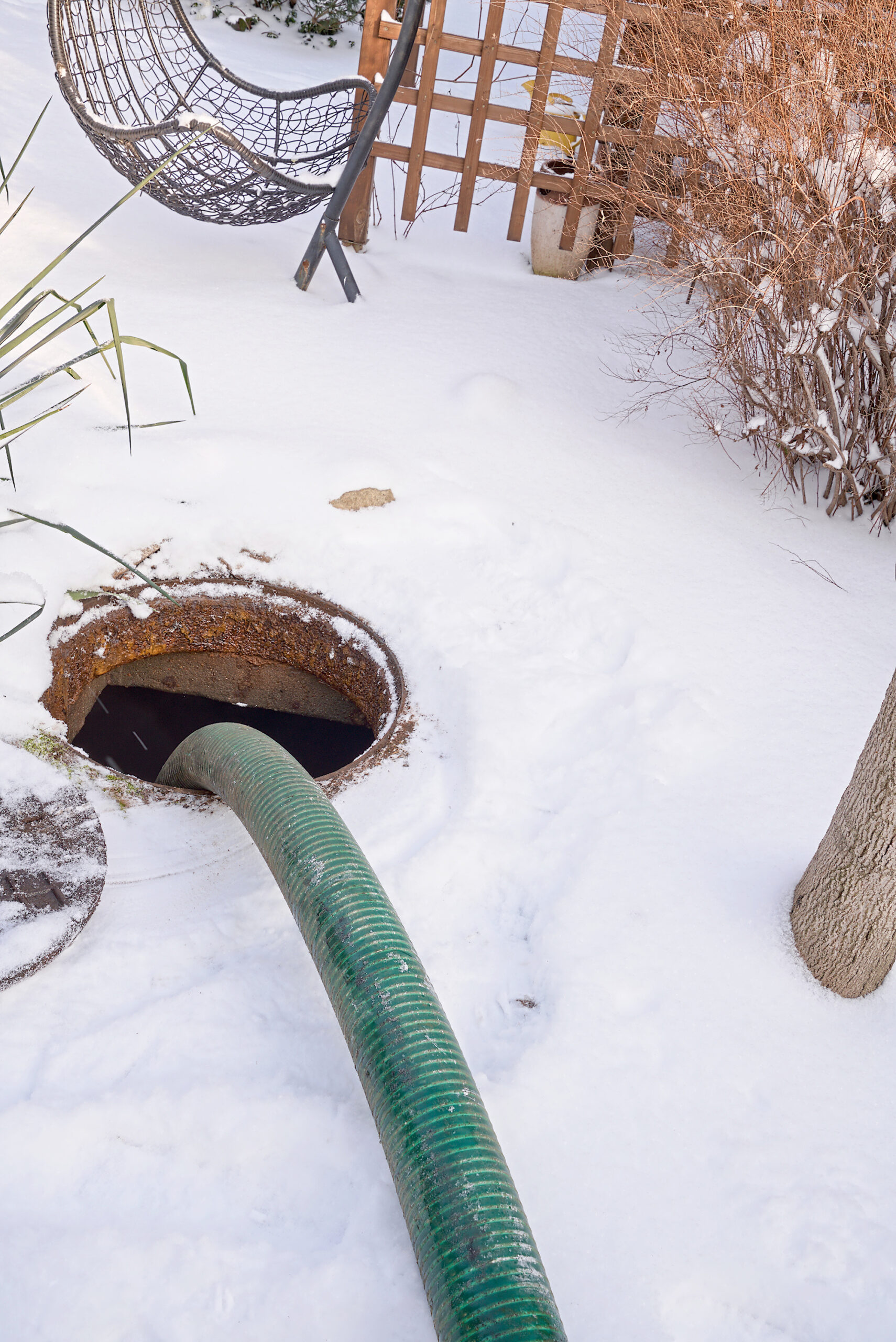
How to Locate Your Septic Tank and Drain Field (Before You Need Emergency Service)
Knowing where your septic system components are located is crucial for maintenance, emergencies, and when selling your home. Here’s how to find them yourself and what to do with that information.
What You’ll Need:
Property survey or plot plan (if available)
Long screwdriver or metal probe rod
Measuring tape
Smartphone camera
Small flags or stakes for marking
Step 1: Check Your Home’s Records
Before you start digging around, look for:
Building permits from when your home was built
Septic system installation records
Previous inspection reports
Property surveys that might show system location
Step 2: Follow the Main Sewer Line
Start where your main sewer line exits your house:
Go to your basement or crawl space
Find where the main drain line leaves the foundation
Go outside and follow that line’s direction
Your septic tank is typically 10-25 feet from the house
Step 3: Use the Probe Method
Once you have a general idea of the location:
Gently probe the ground with your rod every few feet
You’ll feel a solid surface when you hit the tank
Septic tanks are usually 5-6 feet wide and 8-10 feet long
Mark the corners when you find them
Step 4: Locate the Drain Field
Your drain field is typically:
10-20 feet away from the septic tank
Downhill from the tank (following gravity)
An area of parallel trenches, usually 100-400 square feet total
Often visible as slightly different grass growth patterns
Step 5: Document Everything
Take photos and measurements:
Mark locations with permanent stakes
Measure distances from fixed landmarks (like corners of your house)
Take photos for your records
Consider drawing a simple sketch with measurements
Creating Your Septic Map:
Draw a basic map showing:
Your house outline
Septic tank location and orientation
Drain field boundaries
Distance measurements from house corners
Any obstacles like trees, driveways, or utility lines
Why Location Matters:
Knowing these locations helps you:
Direct service technicians quickly to the right spots
Avoid driving or building over system components
Plan landscaping that won’t interfere with the system
Provide accurate information during home sales
Professional Note: If you can’t locate your system using these methods, Commonwealth Waste Solutions can help. Call (804) 895-6355 and we’ll map your system during your next service appointment.